Amy Antonacci MSN, RN, recently provided insights on endoscope reprocessing for ACHC’s standing column with OR Today. Amy’s expert guidance focuses on…

Endoscope Reprocessing: A Hospital Expert’s Perspective
read more

Amy Antonacci MSN, RN, recently provided insights on endoscope reprocessing for ACHC’s standing column with OR Today. Amy’s expert guidance focuses on…
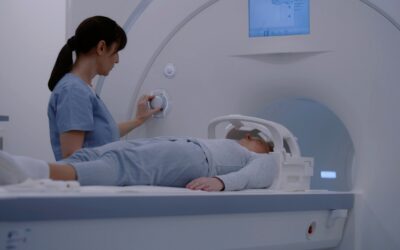
The magnetic resonance imaging (MRI) scanner uses no ionizing radiation to obtain the images it produces and is considered one of the optimal…

The “One Big Beautiful Bill Act” signed in 2025 is the largest rollback of federal support for health care in American history…

Did you know that U.S. hospitals use restraints in nearly 2 million patient episodes every year? While physical restraint is always intended…
Each year, the Quality Review edition of Surveyor identifies and analyzes the most challenging standards for ACHC-accredited hospitals. Overall, this year’s…

Workplace violence in healthcare settings is a growing concern, with increasing reports of patients and visitors causing harm to staff…

Amy Antonacci, MSN, RN, is a Senior Standards Interpretation Specialist for ACHC Hospital Accreditation (Acute Care and Critical Access). She also…

Questions posed during ACHCU’s monthly Coffee Chat live webinar often serve to reveal opportunities to extend education and develop additional resources for ACHC-accredited hospitals. In March 2025, the topic was medical record documentation.

Advance directives rank among the most important legal documents in the healthcare setting. They come into use when a patient is incapacitated and cannot provide informed consent for care or cannot actively participate in care planning. Among the various types of advance directives, the most common in the healthcare setting are the living will and the durable power of attorney for health care.

Competencies are not just requirements in health care. They are crucial aspects. Competencies play pivotal roles in ensuring patient safety, quality and continuity of care, and operational efficiency. As a healthcare professional, your role in identifying and addressing competence-related issues is paramount.