Lithium-ion batteries are now a routine part of hospital operations. They are embedded in clinical equipment, mobile devices, facility tools, and…
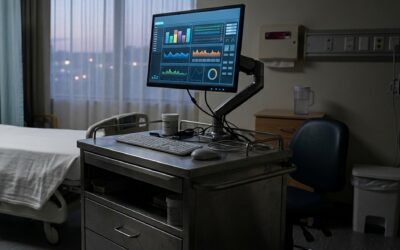
Lithium-Ion Batteries and the Fire Response Plan
read more

Lithium-ion batteries are now a routine part of hospital operations. They are embedded in clinical equipment, mobile devices, facility tools, and…

Amy Antonacci MSN, RN, recently provided insights on endoscope reprocessing for ACHC’s standing column with OR Today. Amy’s expert guidance focuses on…

The “One Big Beautiful Bill Act” signed in 2025 is the largest rollback of federal support for health care in American history…
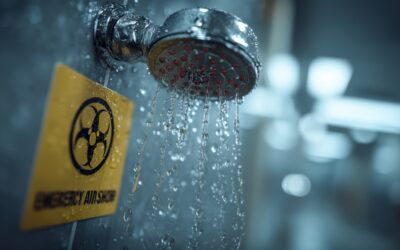
Eyewash stations and emergency showers are critical safety features when staff work with corrosive or injurious materials. However, ACHC Accreditation surveys consistently show confusion…

Each year, the Quality Review edition of Surveyor identifies and analyzes the most challenging standards for ACHC-accredited hospitals. Overall, this year’s…

Workplace violence in healthcare settings is a growing concern, with increasing reports of patients and visitors causing harm to staff…

Amy Antonacci, MSN, RN, is a Senior Standards Interpretation Specialist for ACHC Hospital Accreditation (Acute Care and Critical Access). She also…

ACHC Standards are structured to align with a Plan-Do-Study-Act (PDSA) quality improvement framework. Within each chapter, standards identify…

From a facilities perspective, protecting patient and staff safety are the hospital’s biggest priority. To ensure this safety, all aspects of the facility must be constructed, arranged, and maintained to meet a range of regulations.

As essential as water is to any hospital, this crucial element also can be a threat to patient safety. Waterborne pathogens – including multidrug-resistant organisms – can spread in seemingly innocuous ways. Having safety plans is essential.